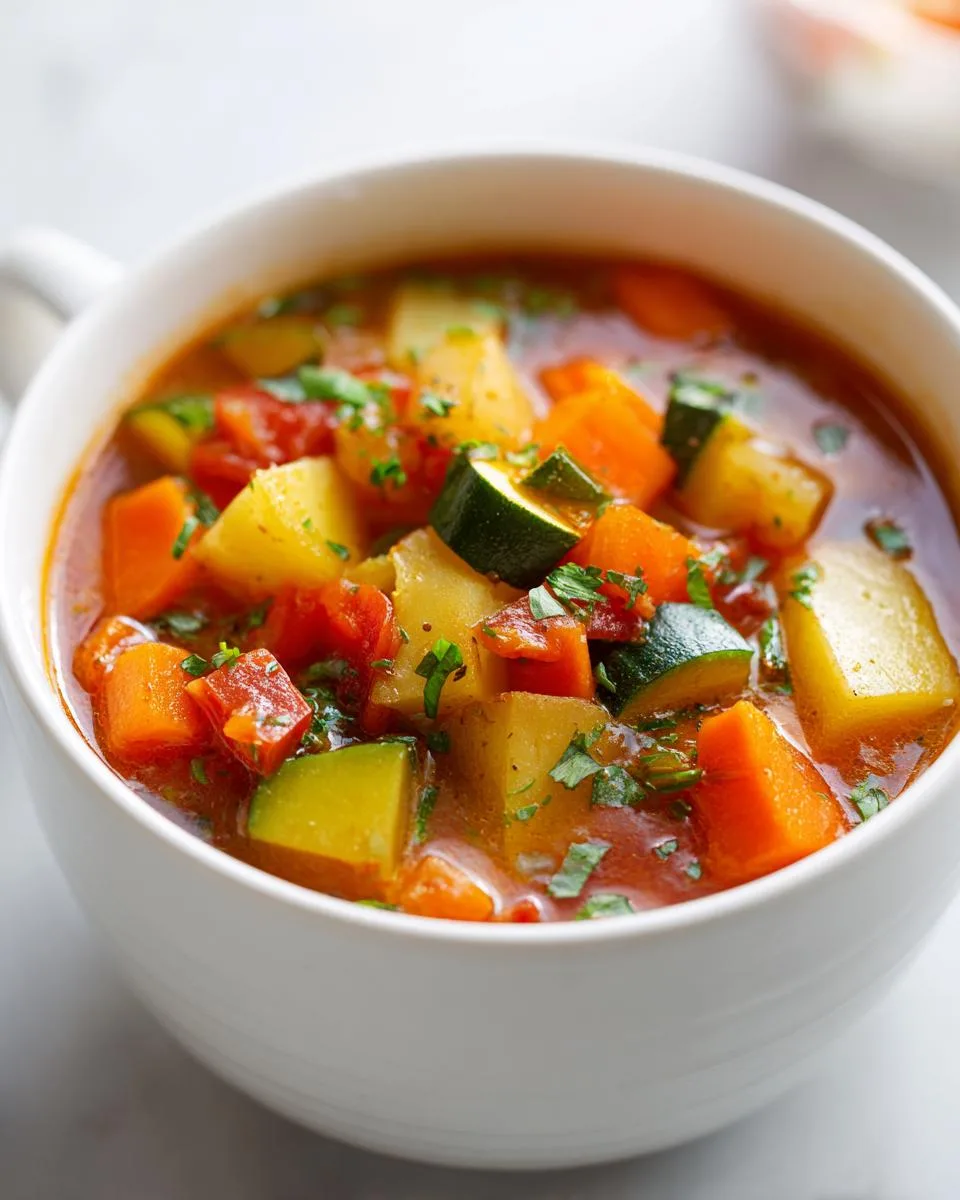
There’s nothing quite like a steaming bowl of homemade vegetable soup to warm you up from the inside out. I remember my mom standing at the stove on chilly Sunday afternoons, stirring a giant pot of this comforting goodness while the whole house filled with the most incredible aromas. That’s when I learned that vegetable soup isn’t just food – it’s a hug in a bowl.
What makes this homemade vegetable soup so special? It’s packed with fresh, colorful veggies that keep all their nutrients (no mushy cafeteria soup here!). The secret’s in building layers of flavor – starting with that magical trio of onion, carrot, and celery, then letting everything simmer gently until the potatoes are perfectly tender. My version includes a mix of fresh and frozen vegetables because, let’s be real, we all need some shortcuts that don’t sacrifice taste or nutrition.
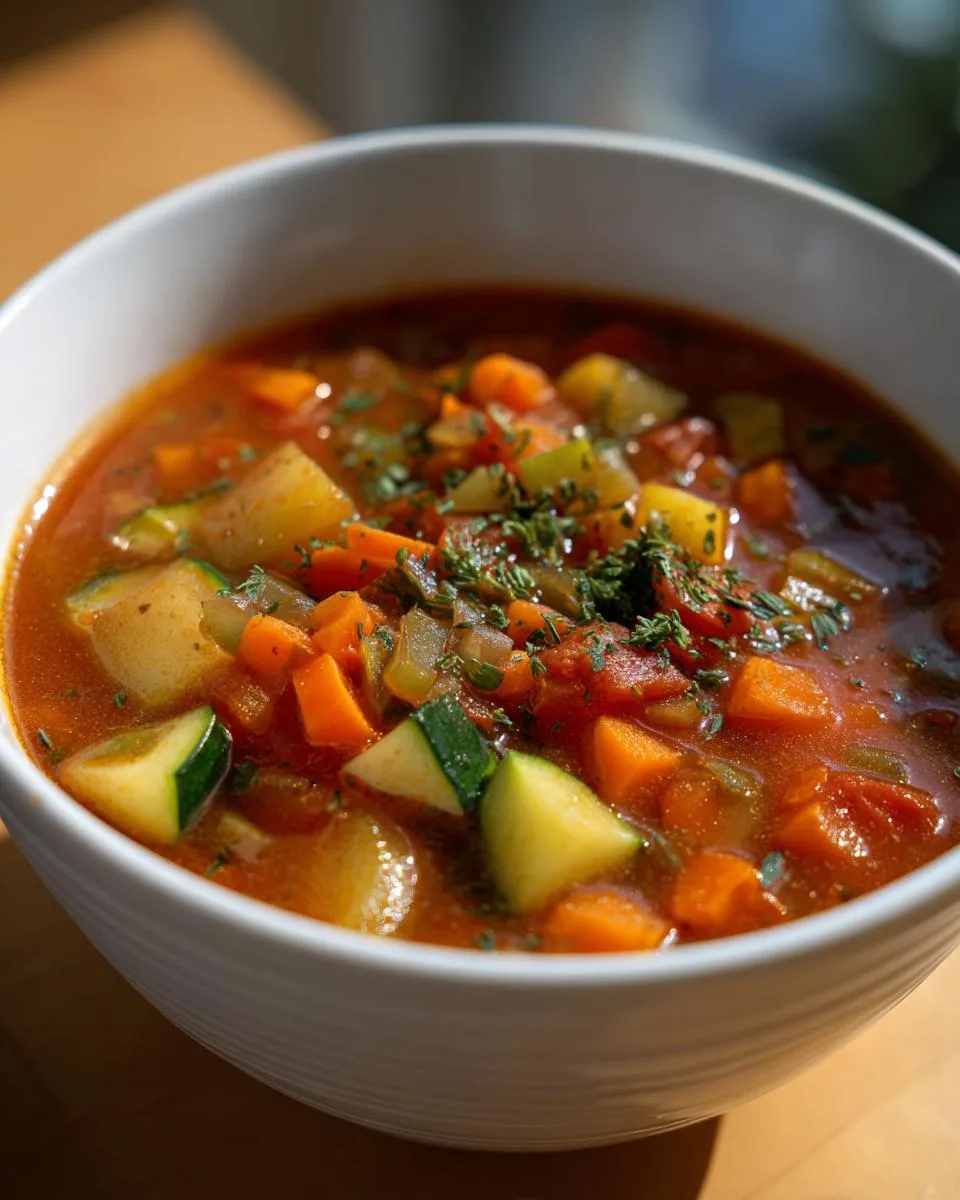
Table of Contents
Table of Contents
Why You’ll Love This Homemade Vegetable Soup
Whether you’re fighting off a cold, needing a meatless Monday meal, or just craving something wholesome, this soup delivers. It’s the kind of recipe that makes you feel like you’re doing something good for your body with every spoonful.
Oh, where do I even start? This isn’t just another soup recipe – it’s basically my kitchen superhero. First off, it’s packed with nutrients from all those colorful veggies, making you feel amazing with every bowl. It’s also incredibly easy to customize – got a lonely parsnip or some kale that needs using up? Toss it in! Plus, it’s seriously budget-friendly and makes enough for lunches all week. And my favorite part? It’s a one-pot wonder – meaning less cleanup and more time actually enjoying your dinner. Honestly, it’s the kind of meal that just makes life better.
Ingredients for Homemade Vegetable Soup
Okay, let’s gather our soup squad! I’ve broken everything down so you can prep like a pro. Trust me – having everything chopped and ready before you start makes the whole process so much smoother (and prevents any frantic onion-dicing while your garlic burns). Here’s exactly what you’ll need:
The Fresh Veggie Dream Team:
- 2 tablespoons good olive oil (the flavor base of everything!)
- 1 medium yellow onion, chopped (about 1 cup)
- 3 carrots, chopped (no need to peel if they’re organic)
- 2 celery ribs, chopped (leaves included for extra flavor)
- 5 cloves garlic, minced (yes, five – we’re serious about flavor)
- 1 red bell pepper, seeds removed and chopped
- 1 medium zucchini, chopped (about 1 cup)
- 6 Yukon gold potatoes, chopped (about 2 cups – skins on for nutrients)
The Pantry Staples:
- 3 (14.5 oz) cans vegetable broth (low-sodium if you’re watching salt)
- 28 oz diced tomatoes (I swear by fire-roasted for extra depth)
- 2 bay leaves (these little guys are flavor powerhouses)
The Frozen MVPs (added last to keep perfect texture):
- 1 1/2 cups frozen green beans
- 1 cup frozen corn
- 1 cup frozen peas
The Flavor Boosters:
- 1/2 teaspoon dried thyme (rub between your fingers to wake it up)
- 1/2 teaspoon dried basil
- 1 teaspoon kosher salt (plus more to taste)
- 1/4 teaspoon black pepper (freshly ground if you have it)
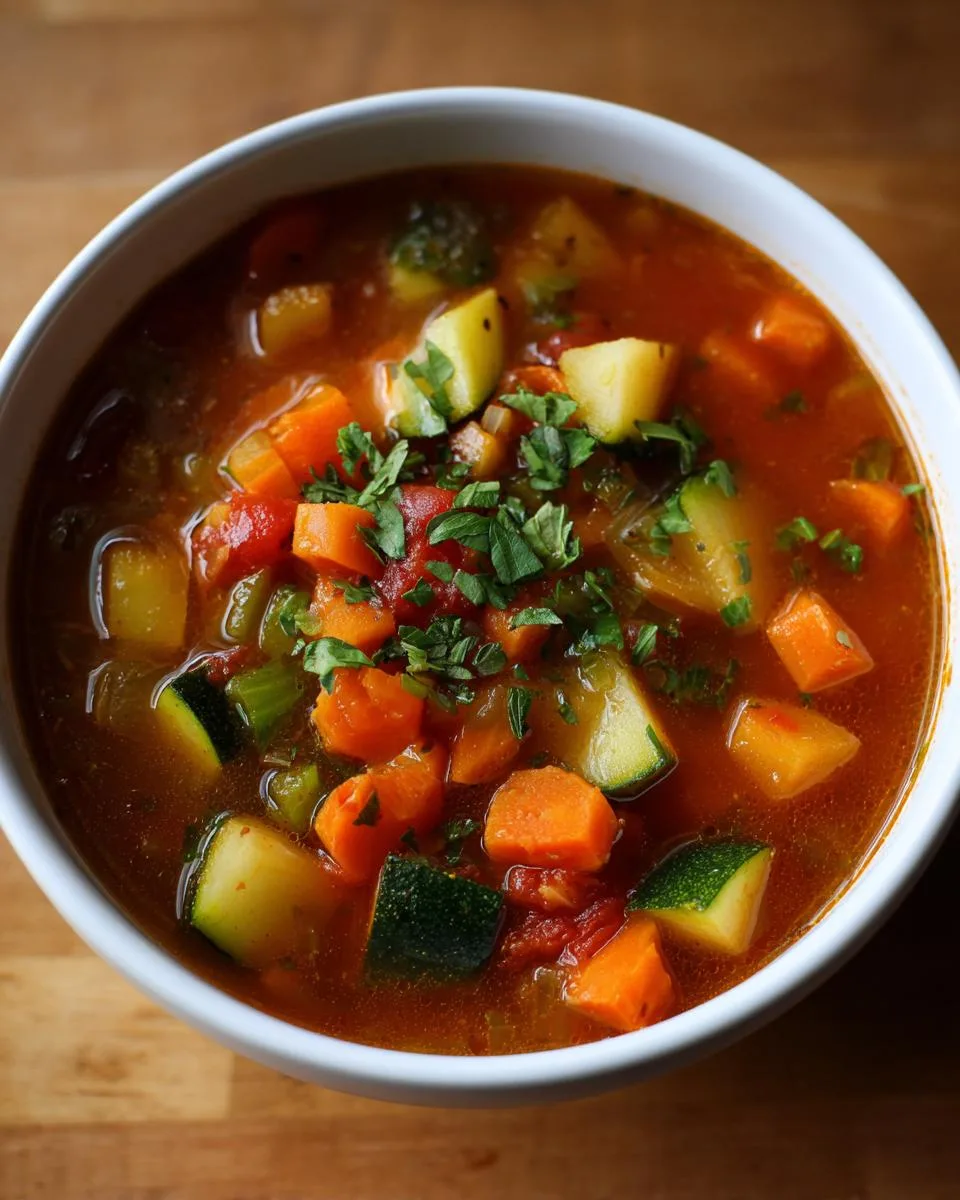
See? Nothing fancy or hard to find – just real, honest ingredients that work together to create something truly special. Now let’s get cooking!
How to Make Homemade Vegetable Soup
Alright, let’s turn these beautiful ingredients into the most comforting pot of soup you’ve ever tasted! I’ll walk you through each step – it’s easier than you think, but there are a few key moments where timing makes all the difference.
Sautéing the Vegetables
First, grab your largest, heaviest pot (I use my trusty Dutch oven) and heat those 2 tablespoons of olive oil over medium-high heat. When the oil shimmers, toss in your chopped onion, carrots, and celery. This is where the magic starts – that classic trio forms the flavor foundation we call “mirepoix” (fancy French for “delicious soup starter”).
Stir them every minute or so – you want them to soften and get friendly with each other, about 5 minutes total. The onions should turn translucent, and the carrots will brighten in color. Don’t rush this step! Those softened veggies release natural sugars that make the whole soup taste richer.
Now add the garlic, red pepper, zucchini, and potatoes. Give everything a good stir and cook for just 3 minutes – we’re not browning here, just waking up their flavors. Your kitchen should smell incredible by now!
Simmering the Soup
Time for the liquid gold! Pour in your vegetable broth and tomatoes (juice and all), then drop in those bay leaves. Sprinkle the thyme, basil, salt, and pepper over the top. Reduce the heat to medium-low – we’re aiming for gentle bubbles, not a rolling boil.
Cover the pot with a tight-fitting lid and let the soup work its magic for 25-30 minutes. This slow simmer lets all the flavors mingle and the potatoes become perfectly tender. Peek occasionally to give it a stir and make sure it’s not boiling too vigorously.
Pro tip: If your lid doesn’t fit perfectly, lay a piece of parchment paper directly on the soup’s surface before covering. This old trick prevents too much evaporation while still letting the soup breathe.
Adding Frozen Vegetables
Here’s where we get clever! Frozen veggies go in last because they’re already blanched and just need to heat through. Stir in the green beans, corn, and peas, then let the soup cook uncovered for 5-7 more minutes. This keeps them bright and crisp-tender rather than mushy.
Fish out those bay leaves – they’ve done their job but aren’t fun to bite into! Give the soup a taste and adjust the seasoning if needed. Sometimes I add an extra pinch of salt or a squeeze of lemon juice to brighten everything up.
And just like that, you’ve made homemade vegetable soup that puts all those canned versions to shame. Ladle it into bowls while it’s piping hot, and watch how quickly everyone comes running to the table!
Print
Hearty 8-Veggie Homemade Vegetable Soup That Heals
- Prep Time: 15 minutes
- Cook Time: 35 minutes
- Total Time: 50 minutes
- Yield: 6 servings 1x
- Category: Soup
- Method: Stovetop
- Cuisine: International
- Diet: Vegetarian
Description
A hearty and nutritious homemade vegetable soup packed with fresh vegetables and aromatic herbs.
Ingredients
- 2 tablespoons olive oil
- 1 medium yellow onion, chopped
- 3 carrots, chopped
- 2 celery ribs, chopped
- 5 cloves garlic, minced
- 1 red bell pepper, seeds removed and chopped
- 1 medium zucchini, chopped
- 6 Yukon gold potatoes, chopped (about 2 cups)
- 3 (14.5 oz) cans vegetable broth
- 28 oz diced tomatoes (can use fire roasted tomatoes)
- 2 bay leaves
- 1/2 teaspoon dried thyme
- 1/2 teaspoon dried basil
- 1 teaspoon kosher salt
- 1/4 teaspoon black pepper
- 1 1/2 cups frozen green beans
- 1 cup frozen corn
- 1 cup frozen peas
Instructions
- In a large pot, heat the olive oil over medium high heat. Add the onion, carrot, and celery and cook for 5 minutes or until vegetables are tender.
- Add in the garlic, red pepper, zucchini, and potatoes. Cook for 3 minutes.
- Add the vegetable broth, tomatoes, bay leaves, thyme, basil, salt, and pepper. Reduce heat to medium-low, cover, and let the soup simmer for 25-30 minutes, or until the potatoes are soft.
- Stir in the green beans, corn, and peas and cook for 5-7 minutes, or until vegetables are cooked through.
- Remove the bay leaves and season with additional salt and pepper, if necessary. Serve warm.
Notes
- Use fresh vegetables for the best flavor.
- Adjust seasoning to taste.
- Store leftovers in the refrigerator for up to 3 days.
Nutrition
- Serving Size: 1 bowl
- Calories: 180
- Sugar: 8g
- Sodium: 800mg
- Fat: 5g
- Saturated Fat: 1g
- Unsaturated Fat: 3g
- Trans Fat: 0g
- Carbohydrates: 30g
- Fiber: 6g
- Protein: 5g
- Cholesterol: 0mg
Expert Tips for the Best Homemade Vegetable Soup
After making this soup more times than I can count, I’ve picked up some tricks that take it from good to “wow, can I get your recipe?” level. Here are my not-so-secret secrets:
1. Salt in stages: I only add about half the salt at the beginning and adjust at the end. Potatoes and carrots absorb salt differently as they cook, so tasting just before serving lets you nail the perfect balance. Pro move? Keep a small bowl next to the stove to test seasoning – your first spoonful always tastes different than what’s in the pot!
2. Fresh herb finish: While dried herbs work great in the simmer, I love stirring in a handful of chopped fresh parsley or basil right before serving. The bright, grassy flavors wake up the whole bowl. If I’m feeling fancy, a drizzle of good olive oil or a sprinkle of Parmesan takes it over the top.
3. The potato swap: Yukon golds are my go-to, but sweet potatoes make an incredible variation. Their natural sweetness plays so well with the tomatoes and peppers. Just chop them slightly smaller since they take longer to cook. For extra creaminess without dairy, blend one cooked potato and stir it back in.
4. Freeze your soffritto: On busy nights, I save time by freezing pre-chopped onion, carrot, and celery mix (that mirepoix we talked about) in freezer bags. Toss the frozen cubes straight into the pot – they’ll thaw as they cook, letting me skip all the knife work while keeping that essential flavor base.
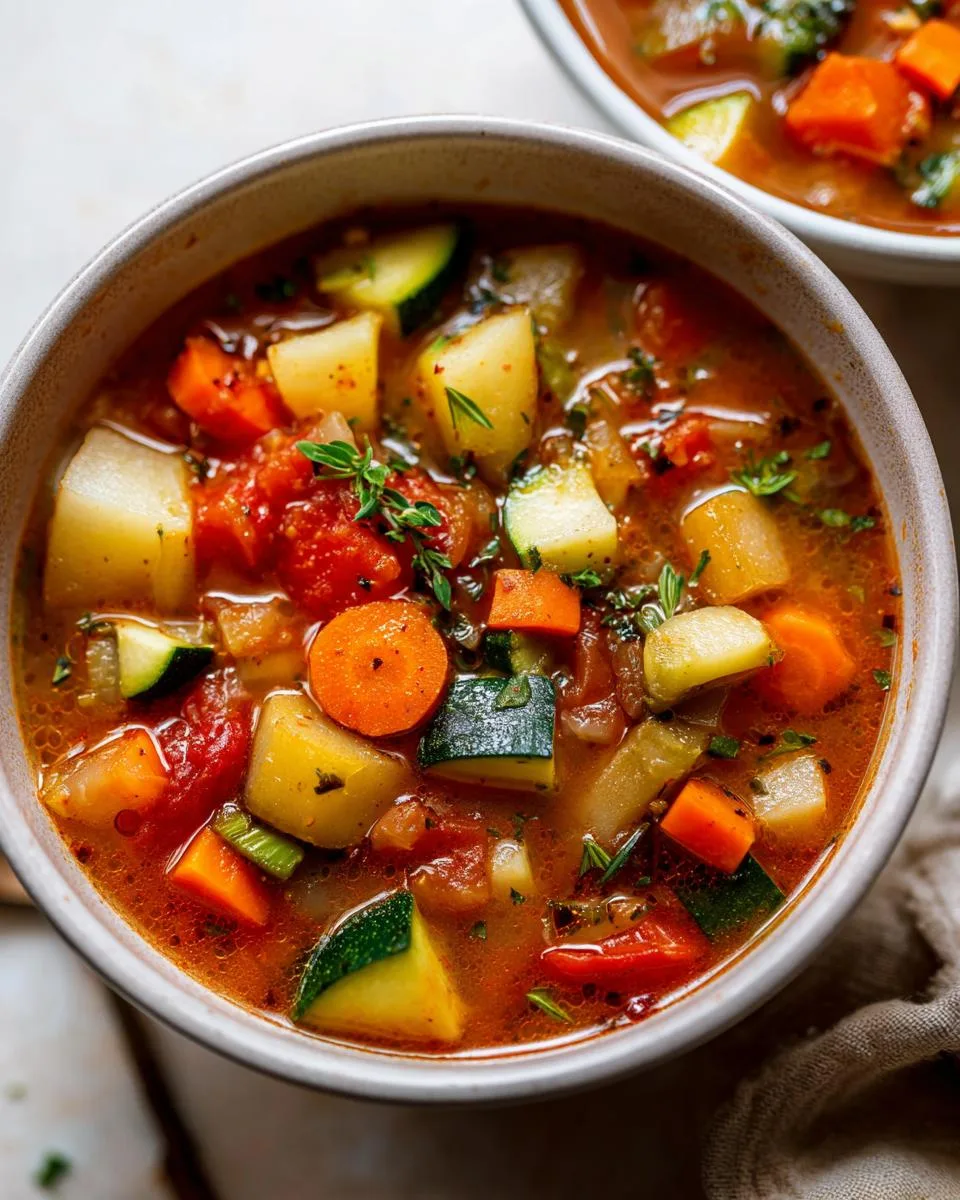
Common Homemade Vegetable Soup Questions
I get asked about this soup all the time – here are the answers to the questions that pop up most often in my kitchen (and my DMs)!
Can I Use Fresh Instead of Frozen Vegetables?
Absolutely! Fresh green beans, corn, and peas work beautifully if you’ve got them. Just add them when you put in the zucchini and potatoes since they need more time to cook than their frozen counterparts. The texture will be slightly different – frozen veggies are flash-frozen at peak ripeness, so they sometimes retain more “snap” than fresh ones that have been sitting in your fridge. Either way, you’re in for a tasty bowl!
How Do I Thicken the Soup?
If you prefer a heartier texture, I’ve got two foolproof tricks. My favorite? Scoop out about 1-2 cups of the soup (mostly the potato and carrot pieces), blend until smooth, then stir it back in. This thickens the broth naturally while keeping all the flavors intact. Alternatively, stir in 1-2 tablespoons of tomato paste when you add the garlic – it dissolves into the broth beautifully and adds rich depth along with body.
How Long Does Homemade Vegetable Soup Last?
Stored properly in an airtight container, your soup will stay fresh in the fridge for 3-4 days – the flavors actually get better by day two! You can freeze it for up to 3 months, though the potatoes may soften slightly upon reheating. Pro tip: Freeze in individual portions so you can grab just what you need for an easy lunch.
Can I Make This Soup in a Slow Cooker?
You bet! Sauté the onion, carrot, and celery first (this step makes a huge difference in flavor), then transfer everything except the frozen veggies to your slow cooker. Cook on LOW for 6-7 hours or HIGH for 3-4 hours. Add the frozen vegetables during the last 30 minutes so they don’t get mushy. Easy peasy!
Storing and Reheating Homemade Vegetable Soup
Here’s the beautiful thing about this soup – it practically gets better as it sits! But let me share my tried-and-true methods for keeping it tasting fresh and fabulous, whether you’re saving leftovers for tomorrow or stashing some away for a rainy day.
Fridge Storage: Let the soup cool completely (I leave it uncovered for about 30 minutes, stirring occasionally), then transfer to airtight containers. Glass works best – it won’t absorb odors and lets you see what’s inside. The soup keeps beautifully for 3-4 days in the fridge, and honestly, day two is when the flavors really sing as everything marries together.
Freezer Magic: For longer storage, freeze portions in freezer-safe containers or heavy-duty zip-top bags. Lay bags flat to save space, and don’t forget to label with the date! It’ll stay perfect for up to 3 months. Pro tip: Leave about an inch of space at the top since liquids expand when frozen.
Reheating Right: My favorite method is stovetop reheating – just pour what you need into a saucepan and warm over medium-low heat, stirring occasionally. If it’s too thick, add a splash of water or broth. For frozen soup, thaw overnight in the fridge first for best texture. Microwave works in a pinch (use a microwave-safe container and cover loosely), but stir every minute to prevent hot spots.
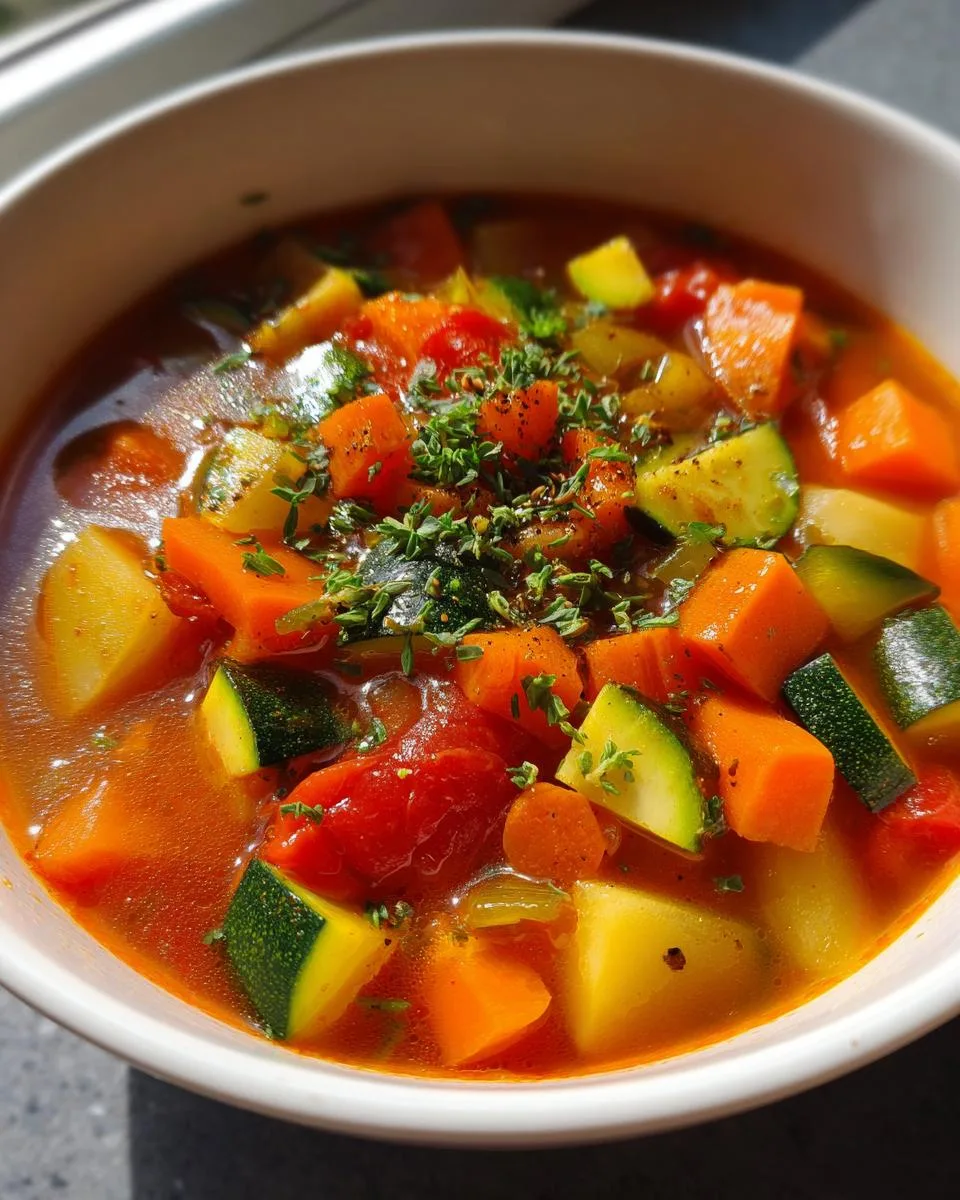
One last storage secret? Those potatoes will absorb liquid as they sit, so don’t panic if your leftovers seem thicker – just adjust with a bit of water or broth when reheating. The flavor will still be incredible!
Nutritional Information for Homemade Vegetable Soup
Let’s talk about what’s really going into your body with each spoonful of this goodness! Now, I’m no dietitian, but I can tell you this – when you pack a bowl with this many fresh vegetables, you’re giving your body a serious nutrient boost. Just keep in mind these estimates can vary depending on your exact ingredients and portion sizes.
Per serving (about 1 1/2 cups):
- Calories: 180 (perfect for when you want something satisfying but not heavy)
- Fat: 5g (mostly that good olive oil we started with)
- Saturated Fat: Just 1g (hello, heart-healthy meal!)
- Carbohydrates: 30g (from all those wholesome veggies)
- Fiber: 6g (that’s nearly a quarter of your daily needs!)
- Sugar: 8g (all naturally occurring from the vegetables)
- Protein: 5g (not bad for a meatless dish!)
- Sodium: 800mg (use low-sodium broth if you’re watching salt intake)
The best part? You’re getting a rainbow of vitamins and minerals from all those different colored vegetables – beta carotene from the carrots, vitamin C from the peppers, potassium from the potatoes… it’s like nature’s multivitamin in a bowl. And because it’s packed with fiber and water, this soup keeps you full for hours without that heavy, sluggish feeling. Now that’s what I call smart eating!
Serving Suggestions for Homemade Vegetable Soup
Now that you’ve got this glorious pot of soup ready, let’s talk about how to serve it up right! My family has tested every possible combo over the years, and these are our absolute favorite ways to enjoy homemade vegetable soup:
Crusty Bread: A must-have in our house! I love tearing into a warm baguette or slice of sourdough to dunk in the broth. For extra indulgence, rub the bread with garlic and drizzle with olive oil before toasting – the aroma alone will have everyone rushing to the table.
Grilled Cheese: Take your soup game to childhood comfort levels with a gooey grilled cheese sandwich on the side. Sharp cheddar works beautifully, but I sometimes mix in some Gruyère for grown-up flair. Pro tip: Use mayonnaise instead of butter on the bread for the crispiest, most golden crust.
Simple Side Salad: When I want to keep things light, a bright green salad balances the soup perfectly. My quick version: mixed greens, thinly sliced red onion, and a lemony vinaigrette. The acidity cuts through the soup’s richness beautifully.
Grain Bowl Upgrade: For heartier appetites, spoon the soup over cooked quinoa or brown rice. The grains soak up the flavorful broth while adding satisfying chew. Top with fresh herbs and a sprinkle of Parmesan for restaurant-worthy presentation.
Soup Bar Fun: When friends come over, I set out little bowls of toppings: grated cheese, croutons, chopped fresh herbs, chili flakes, and a drizzle of good olive oil. Everyone gets to customize their perfect bowl – it makes the meal feel extra special!
If you enjoyed this recipe, you can find more comforting family favorites over on Facebook!