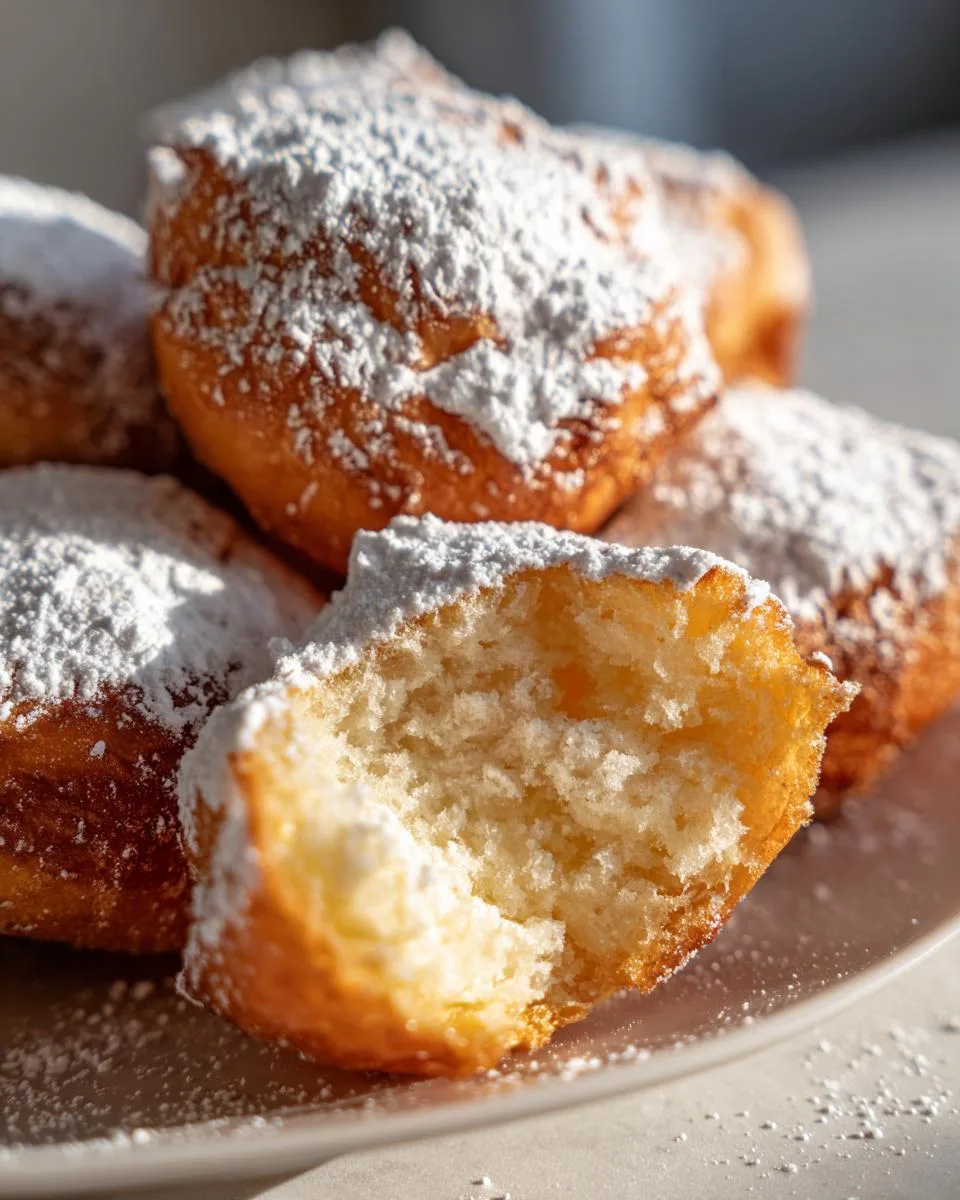
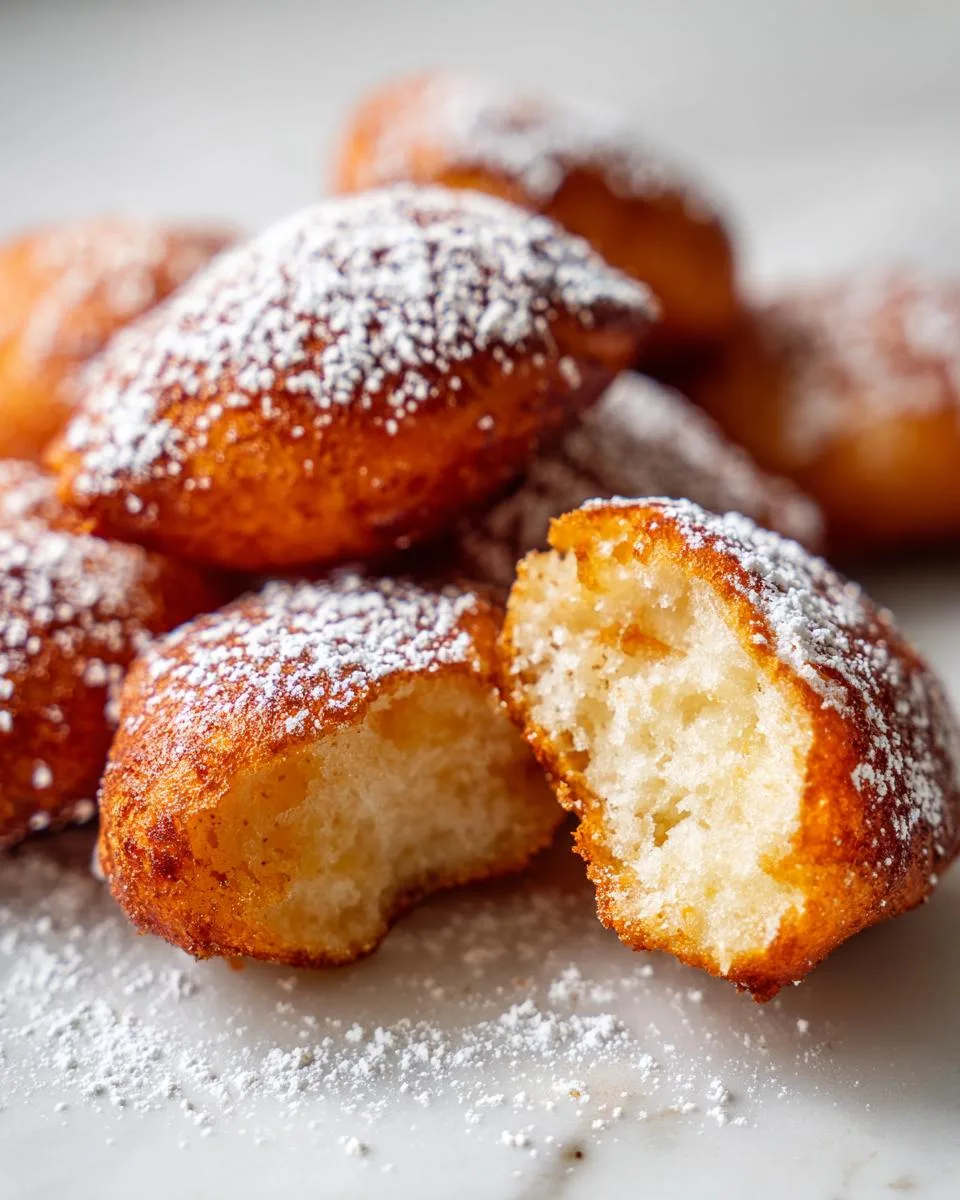
Close your eyes and imagine biting into a warm, pillowy cloud dusted with powdered sugar. That first taste of these amazing vanilla French beignets instantly transports me back to a tiny Parisian café where I first fell in love with them. The baker slid a plate across the counter, steam still rising from golden squares that practically melted in my mouth.
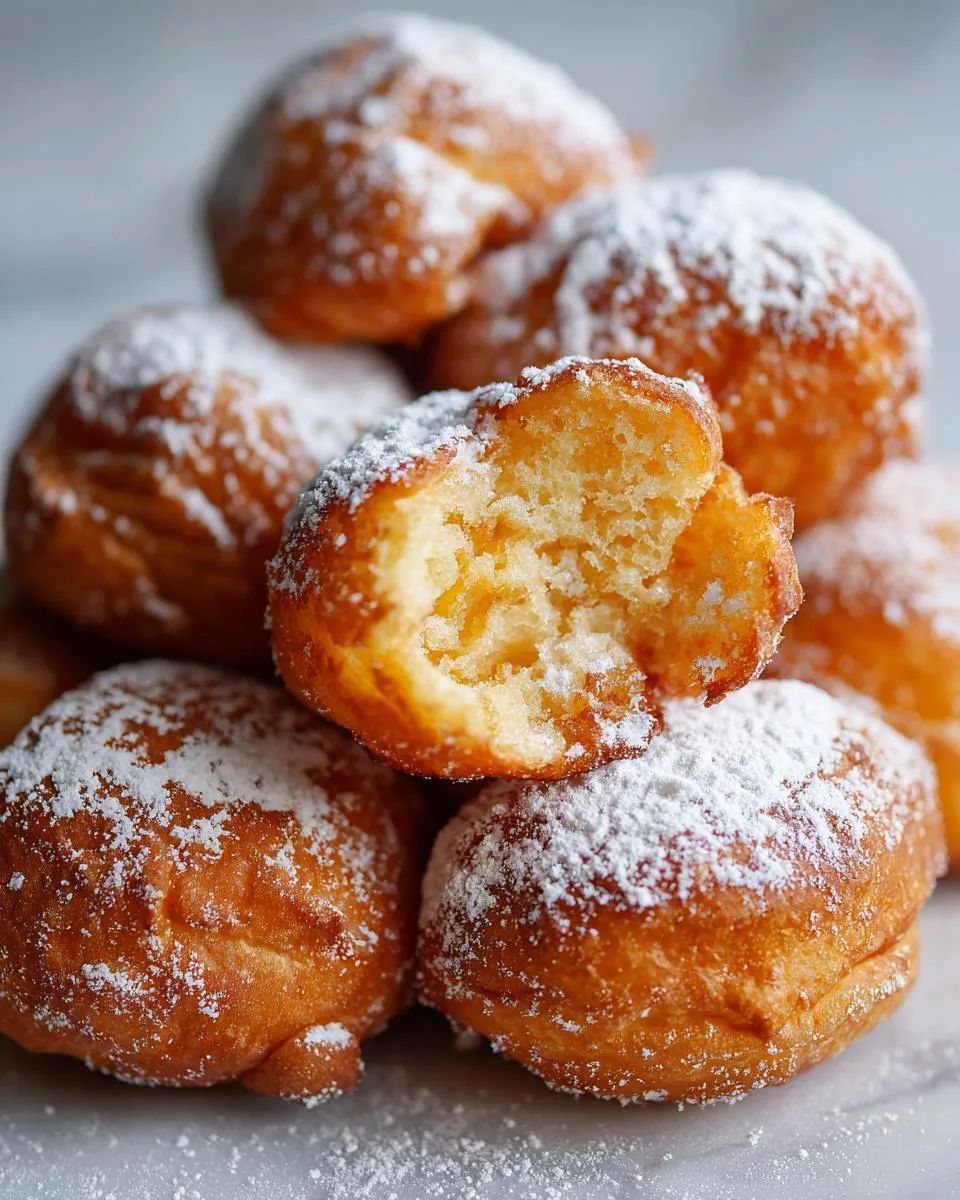
Table of Contents
Table of Contents
Why You’ll Love These Amazing Vanilla French Beignets
I must have looked like a kid on Christmas morning because he laughed and said, “C’est magique, non?” And magic it was – that perfect balance of crispy exterior giving way to airy centers perfumed with vanilla. I’ve been chasing that moment ever since.
What makes these beignets so special? It’s that simple combination of yeast dough fried to golden perfection, but with one secret weapon – real vanilla extract kneaded right into the dough. Unlike the heavier doughnuts you might know, these French beauties are light enough to eat three (or five…) without feeling guilty. They’re the kind of treat that makes ordinary mornings feel like celebrations.
Trust me, once you try these beignets, you’ll be hooked. They’re not just any fried dough – they’re little pockets of joy that’ll make your kitchen smell like a Parisian patisserie. Here’s why they’re my go-to treat:
- Faster than you’d think – While they need an hour to rise, the actual hands-on time is under 30 minutes. Perfect for when that sweet tooth strikes!
- Authentic French flavor – That vanilla-kissed dough? Straight from my friend’s grandmother’s recipe book in Provence.
- Special occasion magic – I make these for birthdays, holidays, or just Tuesday mornings when we need cheering up.
- Crowd-pleasers – Watch them disappear at brunches! Pro tip: make double batches – they go fast.
The best part? That moment when they puff up in the oil like little golden pillows. Gets me every time!
Ingredients for Amazing Vanilla French Beignets
Gather these simple ingredients – you probably have most in your kitchen already! The magic happens when they all come together just right.
- 1 cup warm milk (105-115°F) – Not hot, not cold – think baby bottle temperature
- 1/4 ounce active dry yeast (about 2 1/4 teaspoons) – That little packet from the grocery store works perfectly
- 1/4 cup granulated sugar – Just enough sweetness without overwhelming the vanilla
- 1 large egg – Room temperature is best – I just set mine out when I start gathering ingredients
- 1 teaspoon vanilla extract – Splurge on the good stuff here – it makes all the difference!
- 1/2 teaspoon salt – Don’t skip this – it balances all the sweetness
- 1/4 cup unsalted butter, melted – And slightly cooled – we don’t want to shock our yeast
- 3 1/2 to 4 cups all-purpose flour – Start with 3 1/2 and add as needed
- Vegetable oil, for frying – About 4 cups should do it
- Powdered sugar, for dusting – And I mean generous dusting!
Feeling adventurous? Try swapping half the vanilla with almond extract – it adds this incredible marzipan-like flavor that’s to die for!
Ingredient Notes
Let’s talk about why these ingredients matter so much:
Active dry yeast vs instant: I’ve tested both, and active dry gives the best rise for beignets. Instant yeast can make them puff up too fast, then collapse. If instant is all you have, use 25% less.
The milk temperature is crucial! Too hot and you’ll kill the yeast, too cold and it won’t activate. I use a thermometer until I got the feel for it – now I just test it on my wrist like baby’s milk.
Why unsalted butter? We’re controlling the salt ourselves. Salted butter varies by brand – this way we get perfect balance every time. Plus, that pure sweet cream flavor shines through.
And about that vanilla – I learned the hard way that imitation vanilla just doesn’t cut it here. The real stuff makes your whole kitchen smell heavenly while frying. Worth every penny!
Equipment Needed
Here’s the good news – you don’t need any fancy equipment to make these amazing vanilla French beignets! Just grab these kitchen staples:
- Large mixing bowl – Big enough for dough to double in size. My trusty ceramic one does the trick.
- Deep fryer OR heavy pot – I actually prefer my Dutch oven – its thick bottom keeps the oil temperature steady.
- Candy/fry thermometer – Non-negotiable! Guessing the oil temp leads to greasy or burnt beignets. Mine clips right to the pot.
- Rolling pin – Any basic one works. Mine’s got flour stains from years of love.
- Paper towels – For draining those gorgeous golden squares.
- Slotted spoon or spider strainer – My grandma’s old metal spoon gets the job done.
- Measuring cups/spoons – Especially that teaspoon for the vanilla!
That’s it! See? No special gadgets needed – just everyday tools most home cooks already have. The only thing I’d splurge on is the thermometer – it’s saved me from many a doughnut disaster!
Pro tip: If you’re using a pot instead of fryer, make sure it’s deep enough – oil bubbles up when you add dough. I learned that the messy way my first try!
How to Make Amazing Vanilla French Beignets
Alright, let’s dive into the magic! Making these beignets is easier than you think – just follow these steps and you’ll be biting into pillowy perfection before you know it.
Dough Preparation
First things first – let’s wake up that yeast! Combine your warm milk, yeast, and that pinch of sugar in your big mixing bowl. Now walk away for 5-10 minutes – this is your “is it alive?” test. Come back to a foamy, bubbly surface? Perfect! If not, your yeast might be old (trust me, I’ve shed tears over dead yeast before).
Next, whisk in the remaining sugar, egg, vanilla, salt, and that melted (but not hot!) butter. The mixture will look lumpy and weird at first – totally normal! Now start adding flour gradually – I usually do about 1/2 cup at a time, mixing between each addition. The dough will go from soupy to shaggy to smooth.
Here’s where the elbow grease comes in – turn that shaggy dough out onto a floured surface and knead for 5-7 minutes. You’re looking for that magical moment when the dough transforms from sticky mess to smooth, elastic ball. Pro tip: If it’s sticking like crazy to your hands, add just a tablespoon more flour at a time – but resist going overboard!
Frying Technique
Okay, the fun part! Heat your oil to 350°F – that thermometer is your best friend here. While it heats, roll your risen dough to about 1/4 inch thickness (think thick pancake) and cut into squares. No fancy cutters needed – a pizza wheel or even a sharp knife works great.
Now the golden rule: don’t overcrowd the pot! I do about 4-5 beignets at a time in my Dutch oven. They should have room to float freely. Gently drop them in and watch the magic happen – they’ll sink briefly, then float up and puff like little clouds.
After about 1-2 minutes per side (listen for that gentle sizzle), they’ll turn golden brown. Flip them carefully with your slotted spoon – that second side cooks faster! Drain them on paper towels and immediately dust with powdered sugar. That steam helps the sugar stick in the most delicious way.
Warning: The first batch always disappears fastest in my house. I’ve learned to fry a few extra just for “quality control” tasting!
Print
6 Secret Tips for Amazing Vanilla French Beignets Delight
- Prep Time: 20 minutes
- Cook Time: 20 minutes
- Total Time: 1 hour 40 minutes
- Yield: 20 beignets 1x
- Category: Dessert
- Method: Frying
- Cuisine: French
- Diet: Vegetarian
Description
Light and fluffy vanilla French beignets dusted with powdered sugar for a classic treat.
Ingredients
- 1 cup warm milk (105-115°F)
- 1/4 ounce active dry yeast (about 2 1/4 teaspoons)
- 1/4 cup granulated sugar
- 1 large egg
- 1 teaspoon vanilla extract
- 1/2 teaspoon salt
- 1/4 cup unsalted butter, melted
- 3 1/2 to 4 cups all-purpose flour
- Vegetable oil, for frying
- Powdered sugar, for dusting
Instructions
- In a large bowl, combine warm milk, yeast, and a pinch of sugar. Let stand for 5-10 minutes until foamy.
- Whisk in the remaining granulated sugar, egg, vanilla extract, salt, and melted butter into the yeast mixture.
- Gradually add the flour, mixing until a soft dough forms. Knead on a lightly floured surface for 5-7 minutes until smooth and elastic.
- Place the dough in a greased bowl, cover, and let rise in a warm place for 1 to 1.5 hours, or until doubled in size.
- Punch down the dough, then roll it out on a lightly floured surface to about 1/4 inch thickness. Cut into 2-3 inch squares or rectangles.
- Heat vegetable oil in a deep fryer or large pot to 350°F (175°C). Fry beignets a few at a time for 1-2 minutes per side, until golden brown and puffed.
- Remove beignets with a slotted spoon and drain on paper towels. Dust generously with powdered sugar before serving warm.
Notes
- Can make dough ahead and refrigerate overnight.
- Keep warm in a low oven until serving.
- Dense beignets may result from overworking dough or insufficient rising time.
- Vanilla flavor comes from extract and can be adjusted to taste.
Nutrition
- Serving Size: 1 beignet
- Calories: 120
- Sugar: 5g
- Sodium: 60mg
- Fat: 5g
- Saturated Fat: 2g
- Unsaturated Fat: 3g
- Trans Fat: 0g
- Carbohydrates: 15g
- Fiber: 0g
- Protein: 2g
- Cholesterol: 20mg
Tips for Perfect Amazing Vanilla French Beignets
After making hundreds (okay, maybe thousands) of these beignets, I’ve picked up some tricks that’ll guarantee success every time:
Test your yeast first – If it doesn’t foam during that first 10 minutes, toss it and start fresh. Nothing’s sadder than dough that won’t rise! I keep extra yeast packets in the freezer – they last forever there.
Oil temperature is KEY – Too hot and they’ll burn outside while staying raw inside. Too cool and they’ll soak up oil like sponges. I keep my thermometer clipped to the pot and adjust the burner constantly.
Sugar them while warm – That powdered sugar sticks best when the beignets are fresh from the fryer ú the steam helps it cling in delicious snowy drifts.
Dense beignets? Usually means either the yeast was old, the milk was too hot, or you didn’t let them rise enough. My first batch ever came out like hockey pucks – I rushed the rising time!
One last pro tip: Have everything ready before frying – tongs, Madeline plate, sugar shaker. Once they start coming out of the oil, things move fast!
Serving and Storing Amazing Vanilla French Beignets
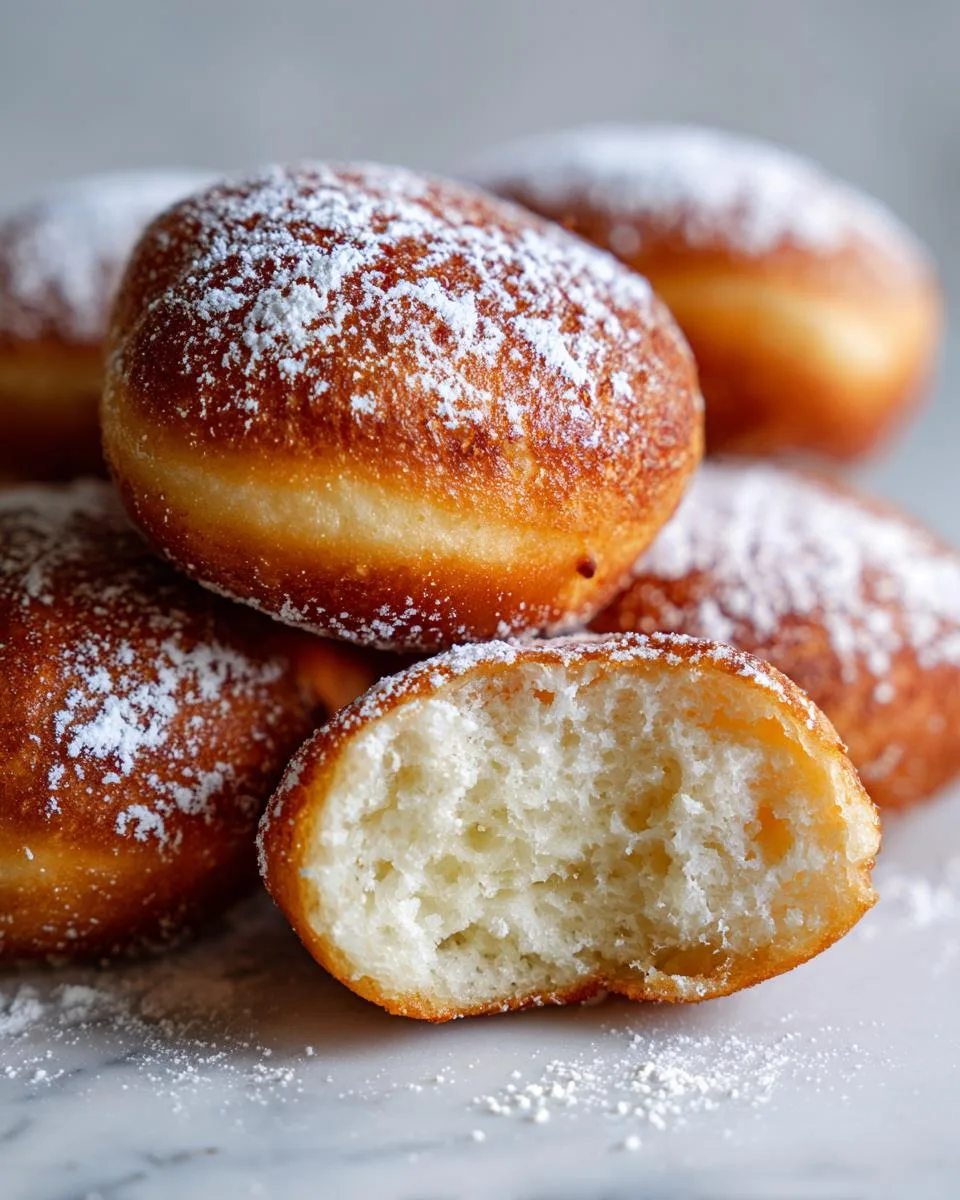
Let’s be honest – these beignets disappear fastest when served piping hot, dusted with that snowy powdered sugar, preferably with a cup of strong coffee nearby. The moment they come out of the fryer is when they’re truly magical – crispy on the outside, impossibly fluffy inside, with that warm vanilla fragrance that fills the whole kitchen.
I like to pile them high on a vintage cake stand (my grandmother’s, naturally) for maximum wow factor. Serve them with:
- A big bowl of powdered sugar for extra dusting – because you can never have too much!
- Small dishes of chocolate sauce, caramel, or jam for dipping – though truthfully, they’re perfect plain
- Fresh fruit like strawberries or raspberries to cut the sweetness
- Café au lait served in big bowls – the French way!
Now, about storing leftovers (if you somehow have any!):
Room temperature: They’ll keep in an airtight container for about a day, though they lose that incredible crispness. I sometimes pop them in a 350°F oven for 3-4 minutes to revive them – works like a charm!
Freezing: Yes! Freeze cooled beignets in a single layer on a baking sheet, then transfer to freezer bags. They’ll keep for a month. To reheat, bake frozen at 350°F for 8-10 minutes until heated through – then dust with fresh powdered sugar.
Pro tip: The dough itself can be made ahead! After the first rise, punch it down, wrap tightly, and refrigerate overnight. In the morning, let it come to room temperature for 30 minutes before rolling and frying. It’s my secret for fresh beignets without the early morning work!
One warning: however you store them, the powdered sugar will melt into the surface. I always wait to dust them until right before serving – that snowy finish is half the magic!
Nutritional Information
Okay, let’s be real – when you’re biting into one of these warm, sugary pillows of joy, calories are probably the last thing on your mind! But since I know some of you like to keep track (or need to for dietary reasons), here’s the breakdown per beignet. Remember, these are estimates – your actual numbers might vary slightly depending on exact size and how much powdered sugar you go wild with!
- Calories: About 120 per beignet – totally worth it!
- Fat: 5g (2g saturated) – mostly from that glorious butter and frying oil
- Carbs: 15g – it’s a pastry, what did you expect?
- Sugar: 5g – and that’s before the powdered sugar avalanche!
- Protein: 2g – hey, there’s egg and milk in there!
- Sodium: 60mg – just enough salt to balance the sweetness
A few notes from my kitchen experiments:
If you’re watching calories, you can reduce verso slightly by baking instead of frying – but honestly, it’s just not the same. The frying gives that signature crisp outside!
The powdered sugar adds about 10 extra calories per generous dusting. I’ve tried sugar substitutes, but they never melt into the warm surfaces the same way. Some things are worth the splurge!
These numbers assume you’re using whole milk – swapping for lower fat milk saves maybe 5 calories per beignet… but again, the richness is part of the magic.
Bottom line? Everything in moderation – including moderation! These are treats meant to be savored, not stressed over. Just enjoy that first heavenly bite!
Frequently Asked Questions
Can I make the dough ahead of time?
Absolutely! In fact, I often prepare the dough the night before. After the first rise, punch it down, wrap tightly in plastic, and refrigerate overnight. The cold slows the yeast activity beautifully. Just let it sit at room temperature for about 30 minutes before rolling and frying in the morning. The flavor actually deepens with this resting time – bonus!
What’s the best way to keep them warm?
I keep finished batches warm in a 200°F oven on a baking sheet lined with parchment paper. The low heat maintains crispness without drying them out. Warning: they’re so fragrant, everyone will come sniffing around the kitchen! For parties, I fry in batches and keep replenishing the serving plate.
Why did my beignets turn out dense?
Oh honey, I’ve been there! Dense beignets usually mean one of three things: your yeast was old (always check that foamy activation!), your milk was too hot and killed the yeast, or you didn’t let the dough rise enough. My first attempt looked like little bricks – turns out my kitchen was too cold for proper rising. Now I let mine rise near a warm oven.
How can I make them extra vanilla-flavored?
For serious vanilla lovers, try these tricks: scrape a vanilla bean into the warm milk and let it steep before mixing, use vanilla bean paste instead of extract, or double the vanilla amount. My secret? A tiny pinch of vanilla powder in the powdered sugar dusting – it creates this incredible aromatic cloud when you bite in!
Final Thoughts
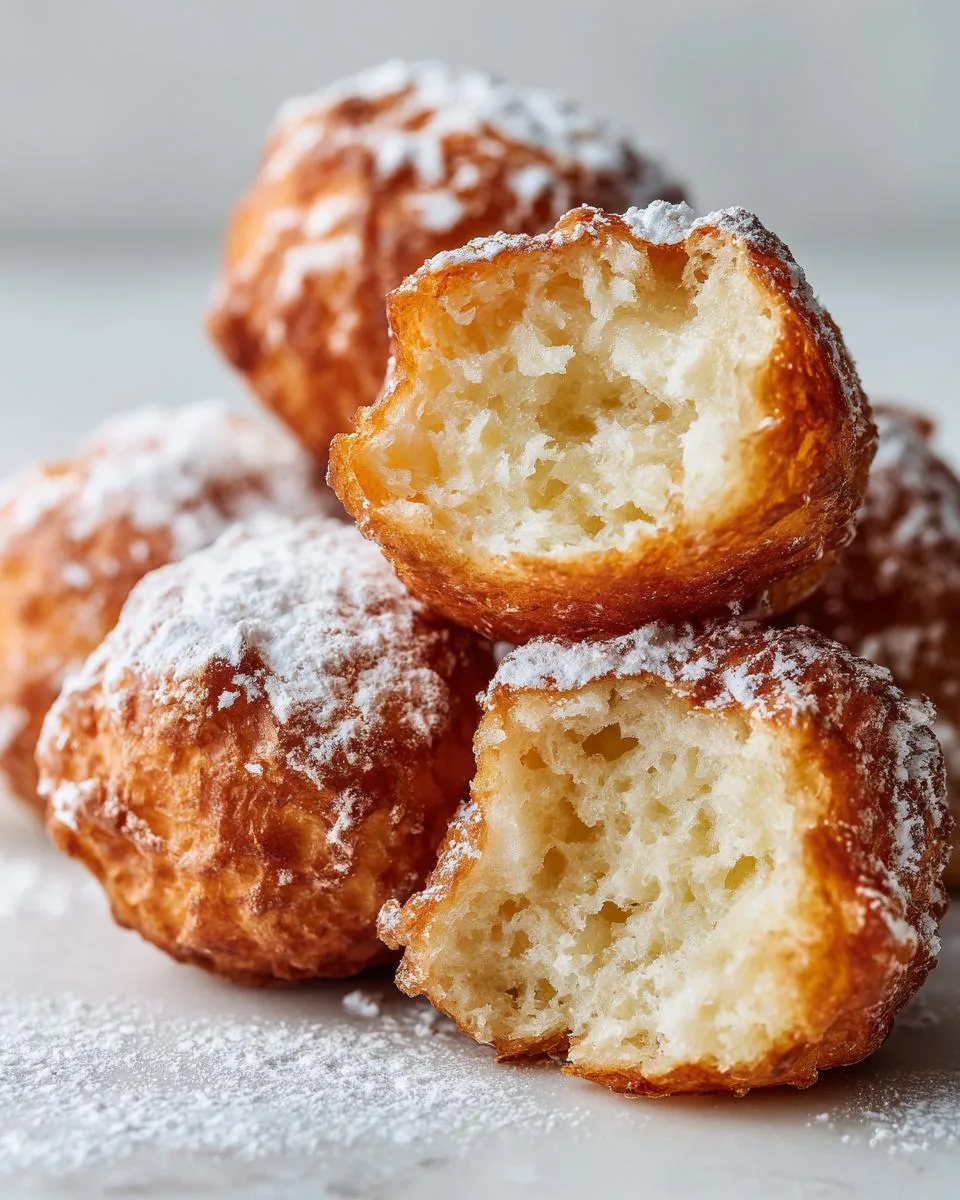
There you have it – my foolproof roadmap to creating these amazing vanilla French beignets right in your own kitchen! I can’t tell you how many batches I’ve made over the years – for birthdays, rainy Sundays, or just because Wednesdays needed cheering up. Every time I watch that dough puff up into golden pillows, it still gives me that same thrill as that first bite in Paris.
Don’t be intimidated if your first batch isn’t perfect. Mine certainly weren’t! The beauty of beignets is that even the “ugly” ones taste incredible. And once you get the hang of that yeast dough and oil temperature, you’ll be whipping them up like a pro. If you’re looking for more amazing recipes, check out our general recipes section!
I’d love to hear about your beignet adventures! Did yours puff up into perfect clouds? Did you try any fun variations? Snap a photo of your powdered sugar-dusted masterpieces and tag me – there’s nothing I love more than seeing these little bites of joy spreading happiness in other kitchens. You can follow our journey on Facebook!
Got questions? Need troubleshooting tips? Drop them in the comments below. I read every one (usually while nibbling on a fresh beignet – quality control, you know).
Now go forth and fry! May your kitchen be filled with the sweet scent of vanilla, your beignets perfectly golden, and your powdered sugar dusting generous. Bon appétit!